From the Roots Holistic

Located out of the Sudbury BJJ & Muay Thai Academy
Montrose Mall, 790 Lasalle Blvd, Sudbury ON
Home office 705-586-1210
Sudbury BJJ & Muay Thai Academy Office 705-222-7655

Saturday, November 28, 2015

Surviving the Holiday Feasts.

Whether you are someone who already practices a healthy lifestyle or are new to it, Holiday meals and social gatherings can be a difficult time.  Here is my Do's & Don'ts to surviving the Holidays Feasts!

Do:
  • Enjoy time with family.  When we are busy talking and reconnecting we are less likely to overindulge.  If things start to get less interesting, get a game or activity started.  Keep busy and enjoy this quality time.
  • Offer to contribute when appropriate with a dish that is healthy and do make enough to share.  
  • Fill up on healthy foods before attending social gatherings where food is being served.  Healthy foods are packed with micro and macro nutrients and this should help your body feel satisfied and not hungry, this will minimize the amount of food you will eat or prevent you from going for seconds.   
  • Drink lots of water.  It will help stem off cravings and prevents you from overindulging in other unhealthy beverages.
  • Offer to host.   Sometimes it's easier when you are entirely in control of what is being served up.... especially if you are into hosting large events.  This is a great lead by example project, be sure to have recipes printed out to hand out.  (See Don't Lecture)
  • Teach children (age appropriate of course) to ask you before eating anything that is on display or offered to them.  This is very important if your child has dietary restriction for health reasons.  It is very important to teach them from a very early age to take responsibility for enquiring about food and not depending on others to cater to them.
  • Do lead by example, you don't have to say anything about your food choices.  Your healthy appearance will explain it all.
  • Enjoy yourself and have treats in moderation.   Having treats are fine during special occasions as long as we remember quality & quantity and don't make special occasions out of everything.   Dinner at your in-laws during a seasonal holiday is a special occasion, weekly Sunday dinners with your family is not.

Don't:  
  • Over schedule your social outings during the holiday month.  Depending on your belief system you may be celebrating several special occasions or re-celebrating with various groups and although I am all for having treats during special occasions these can add up.  I also find that too many social gatherings in our already busy lives can cause undo stress for some and this can trigger emotional eating patterns.   If you happen to be this individual, it's best to try and limit events and only attend the ones that are the most important to you or your family.
  • Limit  your food intake or starve yourself all day before attending a dinner or social gathering with food, this is counterintuitive you will end up indulging more than you would of had you eaten healthy throughout the day and just before leaving.  Remember calories are balanced out throughout the week and eating healthy food  before hand helps with feeling satisfied and actually reduces the amount of food you will consume.
  • Forget to ask if you are hosting well in advance if any of your guest have allergies or sensitivities and plan a few safe dishes and be sure to not cross contaminate.  
  • Offer food to little one's that are not yours. Ask their parent's permission, their children may have dietary restrictions for health or moral reasons.  
  • Don't lose  your cool if Granny gave little Sarah a cookie.   Remember to educate children to ask before eating something.  
  • Lecture. Educate by example.   Making a big deal about the food being offered is not helping anyone, including yourself.  This is your lifestyle and not everyone is on the same page.  Just pass on the dish or say no thank you and fill up on healthy things. You don't need to explain to everyone present why you are passing up on certain foods.  If you are however allergic to something or have a sensitivity to something quietly inform your host in advance and ask what is being served, the dinner table is not the place.   If you are hosting, serving up delicious healthy food is way more effective than lecturing your guest.  
  • Avoid social outings that involve food, that is red flag that there is more going on than wanting to live a healthy lifestyle.   We can all enjoy less healthy foods on special occasions and in moderation.   

Dana Clark, CNHP, CHN, CHC owner of From the Roots Holistic, Certified Holistic Nutritionist at SBJJ & Muay Thai Academy.

Monday, November 2, 2015

Contending with Colds and Flus

Did you know that getting sick a few times a year is actually great for your immune system and body?  It is a way of exercising your immune system, resetting your body and flushing out excess free radicals. That being said, how you handle it can impede this process or can turn it into an ongoing issue. Being sick frequently is a red flag that your body is off balance and not functioning to its' full potential. 

So, what can you do?
  • Prevention (I know I just said getting sick is good for you but prevention will diminish how often you get sick.)
    • Be sure to wash your hands often with warm water and soap, limit antibacterial soaps & sprays to occasions where water and soap are not on hand and try and aim for more natural antibacterial products as they are not as damaging to your immune system and good bacteria as some of the more common products out there. 
    • Don't touch your face when you're in public until you get a chance to wash your hands.
    • Eat a healthy well balance diet of whole foods and limit processed food to no more than 4 servings a week.  What you eat has a major impact on your state of health, eating the wrong foods can weaken your immune system and your digestive system, which also happens to be a big part of your immune system as well as where all your nutrients are absorbed.
    • Lower your stress levels, being in constant stress is detrimental to your overall well being including your immune system.
    • Sleep well: Our bodies need approximately 8 hours to rest and recalibrate, if you are not getting enough sleep your body will not be ready for an attack by a virus.  
  •  Nurture & guide your immune system when you do get a virus:
    • Increase your fluid intake, by drinking plenty of water.  Dehydration will allow the virus to penetrate deeper into your cells.  Water is also key a helping your immune system in various ways such as production of lymphs needed to transport white blood cells and other immune cells throughout the body.
    • Feed a Cold:  Feed your cold with lots of leafy greens and colourful vegetables, enjoy some fruit and focus on protein sources that are alkalizing such as adzuki beans, almonds and chia seeds. Increase your intake of ginger, garlic, onions, cayenne & chili pepper which have immune supporting constituents.  Limit foods that are very acidic such animal based proteins and avoid mucus forming foods such as soy, wheat and dairy products.   You will also want to avoid all processed foods and processed sugars.  Consult with a nutritionist, you would be surprised how well just eating the right foods and using nutritional therapies can help your body work through a virus more efficiently as well as prevent more serious complications from viruses.  
    • Starve a flu:  If you have no appetite there is a reason, be sure to drink lots of water and when possible drink broths chalk full of amino acids and probiotics such as miso. Miso is also good to rebalance electrolytes if vomiting and diarrhea are involved.
    • Try not to suppress your symptoms. A runny nose, cough, vomiting, diarrhea, and fever are your body's way of fighting.  Stopping these symptoms prevents your body from doing what it needs to do, making the cold or flu last longer than it should or turning it into something more serious.  Instead, monitor symptoms and diminish when they get too intense or become unproductive.  Do this cautiously with children. It is very important to let their bodies work on their own, it's how they build their immune systems; however, they have small bodies and organs that can be easily overwhelmed. Monitor them closely. Don't be afraid to request help from a health practitioner. 
    •  Using herbs and alternative therapies are generally more effective and safer than over the counter medicines, when prescribed properly by a trained health practitioner.  A Herbalist or Naturopathic Doctor can recommend herbs that boost the immune system or to help with symptoms that are becoming unproductive.  Always consult with a qualified health practitioner. Do not self-medicate.  Herbalism is an art and finding the right herb for an individual takes a lot into consideration.  It is not like prescribing a pharmaceutical or taking an over the counter medication.  Side note:  Be aware that antibiotics are for infections only, not viruses like the common cold or influenza. They don't work for this situation and are dangerous when used improperly.  Always request proper testing be done before accepting antibiotics.
    •  Lastly, rest! The body needs to rest to work and do its job. Take naps and go to bed early to get some extra hours of sleep. Take time off when you can.  If necessary, enlist help with little ones and spend the day in bed.

Note: We will be holding a Colds & Flu, Gentle and Natural Support Clinic November & December. Contact From the Roots Holistic or the SBJJ & Muay Thai Academy for details. Or check out our event listing on facebook or Google.

Dana Clark, CNHP, CHN, CHC owner of From the Roots Holistic, Certified Holistic Nutritionist at SBJJ & Muay Thai Academy.

Wednesday, October 14, 2015

Spooky-Free Ideas on How to Have a Healthier Halloween

I love Halloween!  Our family embraces the traditional custom of remembering our loved ones who have passed and the modern traditions as well; who doesn’t like getting dressed up, watching scary movies and going door to door!

Here are some ideas if you are worried about the amount of junk food that your children will be haunted by.  

Replace the Door to Door Tradition with Your Own
Some families find it is easier to just avoid the whole bag of treats situation. But don’t be afraid, you can easily keep the spirit of Halloween without having to go door to door! For example, some families choose to have an age appropriate Halloween movie night. Some host parties with like-minded friends so everyone can still get dressed up.  While other families have fun decorating and making their home exceptionally spooky for all those who come knocking.

Still want to Trick or Treat?

I don’t blame you! People are often surprised that someone like myself, who promotes healthy eating, celebrates Halloween and allows her children to go door to door.
I think there is nothing wrong with letting your children “Trick or Treat”, but recommend that you consider the following practices:
-       Aim for better quality when possible
-       Use moderation;
-       Make sure your children recognize that this is a special occasion and not a reward.

Why?

Not a reward: Eating treats as a reward leads to emotional and chronic unhealthy eating habits that are hard to break as adults. Try and take this opportunity to explain to your children that treats should be consumed only on special occasions. Be extra cautious with children under 4 years of age since they are generally too young to understand that treats are for special occasions. Until a child can understand this important concept it is probably best to not give them any treats and focus on a healthy eating foundation & palette.

Moderation: The amount of treats they have gotten that night is usually too much and not good for their health.  In order to reduce the quantity, practice moderation. You can have your children pick out a small amount of treats, our personal number is 5 (more on this in the next paragraph!) and dispose of the rest.  There are various ways to go about this. For instance, you can use the story of the Switch Witch with little ones. Or have your children  exchange their loot for either a gift, a night at the movies or a visit to Science North.  The Sudbury Brazilian Jiu-Jitsu & Muay Thai academy where my office is located are giving their young members the opportunity to participate in the Switch Ninja, where the kids can keep 5 treats and trade in the rest for a special surprise.   

Quality: In the past, homemade treats were handed out. Sadly, because of a few “rotten apples”, it is uncommon and often not recommended to give homemade food items to trick or treaters; not to mention it is also time consuming! Today, the custom is to hand-out low quality treats that are sugar laden with questionable food additives that have a negative impact on your child’s health and behaviour. When your children are choosing their treats, help them pick the ones with the least amount of sugar and additives. Again, this is a teachable moment to take advantage of.  

My last idea that I would like to share with you is related to what you are handing out at your doorstep!

Fun hand-outs not food handouts

More and more households are giving out non-treat items, mostly for children with  allergies but also for health conscious families. If you are handing out this Halloween, you may want to give it a shot in order to promote health within your own community, as well as avoiding the growing possibility that the treats you are handing out will be traded in and disposed of! This year, our family is giving out glow sticks and cute Halloween themed rings & balloons. Other fun items areas Halloween themed pencils & erasers, playdough, bouncy balls, crayons, mini colouring books… try checking out places like Dollar Stores.        


Keep in mind that practicing a healthy lifestyle should not have a negative effect on your ability to have fun during any holiday or celebration. You just need to be creative, choose wisely and use moderation.


Happy Halloween!

Dana Clark, CNHP, CHN, CHC owner of From the Roots Holistic, 
Certified Holistic Nutritionist at SBJJ & Muay Thai Academy.

Monday, October 5, 2015

Head lice... Are you scratching yet?

September is back to school time and sadly the time of year when our children are exposed more often to viruses and parasites like head lice. I thought I would discuss this topic from a holistic point of view.

As a Natural Health Practitioner, I am a fan of preventative medicine. So how does one prevent head lice?

  • Be sure your child is healthy! Make sure your child is eating a healthy and clean diet that consist of whole foods and limit processed foods to no ore than 3-4 servings a week. Be sure to compliment quality nutrition with a good multivitamin & probiotic supplement and make sure they are physically active. Having a healthy body and a good foundation for a healthy immune system is key. Parasites including head lice do not thrive as well on healthy host as they do on unhealthy ones, by keeping your child healthy you will reduce your child's likelihood of having an outbreak or make it easier for you to manage and eliminate an outbreak
  • If there is an outbreak in your littles ones playgroup, home-school group or class; add 1 drop of tea tree, lavender and cedarwood essential oil to 2 tsp of shampoo. Wash their hair 1-2 times a week with this mixture until the outbreak is passed.
  • Educate your child how viruses and parasites are spread and what items should not be shared and why.

 
If your child is having an outbreak here are some suggestions:
  • Avoid the typical head lice shampoos they are extremely toxic and not that effective
  • Wash your child's hair with the same shampoo mixture above, use a metal nit comb (not plastic) to comb hair, wiping it frequently. Wash your child's hair with the hottest water tolerated, followed by the coldest water possible this increases healthy blood flow to the scalp. Mix 4 oz. of olive/coconut oil with 4 drops tea tree & 4 drops of lavender essential oil. Apply to the scalp and hair, cover with bag or shower cap. Leave it in overnight. Use nit comb to comb hair again. Wash out and use nit comb a third time. Blow dry hair with warmest setting possible for 5min. Use this treatment every night for 1 week.  
  • Soak all brushes, combs and nit comb in vinegar and tea tree essential oil. 
  • Launder all bedding with 1 cup of vinegar and 10 drops of tea tree oil; hand out to dry in the sun if possible
  • Boost your child's immunes system with extra vitamin C & D3.
If your child tends to have recurring bouts of head lice, it's time to sit down with a qualified Health Practitioner and see how you can improve their health with nutrition and other healthy lifestyle practices and if need be investigate further to see if there is an underlying health issue that needs to be addressed.

Dana Clark, CNHP, CHN, CHC owner of From the Roots Holistic, Certified Holistic Nutritionist at SBJJ & Muay Thai Academy.
Monday, August 31, 2015

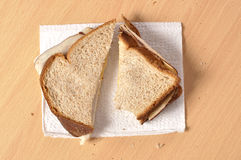
Think beyond the Sandwich


Back to school!  This time of year can be filled with a lot of joy coupled with a lot of anxiety for a number of reasons.  One in particular that comes to mind: the dreaded school lunches!  


I am often approached about ideas for healthy school lunches by parents who want to be sure their children are eating well.  In this article I'm going to tackle one lunchtime go-to in particular:


The Sandwich  
Sandwiches have been a packable lunch staple for decades. They stand the test of time mainly because of the convenience factor, but sandwiches can get boring very easily and in reality, should not be consumed five days a week.  Not only does our bodies need variety to ensure we are getting all of our proper nutrients, but breads, along with most pre-made packaged lunch items, are processed and full of unhealthy ingredients, such as sugar, unhealthy fats, high sodium, additives, food coloring, added flavours and overly processed grains depleted of nutrients.  None of these ingredients are necessary or beneficial to your child's health or give them the tools to thrive in the classroom.

So what is a parent to do?

Let's think beyond the sandwich and get more creative!  I'm going to give you the best advice I give my clients when they come to me, looking to revive their lunches. Here we go!

Number one, I'm sure you are used to seeing this one. Plan Ahead!   It is easier said than done for sure but in my experience, when we can attach an emotion to the task, we are able to make it a priority even if it is a bit painful at first. And what emotional value do we have bigger than our kids and our health? Sometimes we can let social interactions and scheduled extra curriculars take priority over our evenings and weekends, when in reality the highest priority should be placed on what we fuel our body with.  When planning ahead, try and plan what your children will eat for the week so you can be sure to have everything you need on hand.  Some of these foods can be prepped ahead of time for the next 2-3 days.

#2 This one is so so important: talk to your children.  Find out what healthy foods they enjoy and discuss with older children how they could be added to their lunch in a fun way and don't forget to ask them for help.  If  you have a child who is picky, take some time to sit down with them and talk about the impact these foods have on their health or consider having a family visit with a nutritionist to talk about their eating habits.   For children who are moderately high or extremely picky eaters, a nutritionist and therapist need to be sought out as this is a sign of emotional issues related to food that need to be addressed.  

#3 How do we keep up with these school policies?  As a nutritionist that sees clients from all over the city, I hear different struggles when dealing with teachers regarding lunches.  Nut free is usually the rule of thumb now.  Be sure you avoid anything that contains nuts or may contain traces of nuts.  Some schools do not allow baked goods or things that look like peanut butter.  Talk to your child's teacher.  Ask them what their policies are in the classroom, tell them how you plan to feed your children with whole, nutritious foods and are avoiding packaged, processed 'food' even if it is easier to read the labels. You can even write an ingredients list for the 'unidentifiables' and stick it right on the container.       
#4 When packing lunches, keep in mind how many nutrition breaks your child gets.  In the Sudbury area it's three.  Be sure to include appropriate foods that can be eaten within 20 minutes.   Think quick, easy, and messless. I have included some examples further down in this article.


#5 When sending in hot or cold foods, we need to keep the proper food handling guidelines in mind.  Be sure to keep hot foods hot and cold foods cold. Encourage your child to eat these particular meals first so they don't have a chance to reach room temperature.  To help your child remember the order to eat their snacks in, labeling food with 1-3 can keep them on track, eating the right foods at the appropriate nutrition break.

#6 Avoid packing treats as rewards or comfort.  Kids can begin to develop negative embedded food related behaviours when they attach a certain emotion with treats.  As most of us know, these behaviours as adults are very hard to break.  Emotional eating anyone?  Treats should be saved for special occasions, such as your child's birthday, Holidays etc. After that, if you are still going to send a treat, keep this treat for the last nutritional break so it does not affect their ability to concentrate and behaviour all day.

#7 Make this a rule - Just pack water.  That is all your child needs to drink during the day.   By the age of 4, your child's beverages should be 90% water. They can get all the calcium and healthy fats for brain development from healthy balanced wholefoods.

#8 And lastly, focus on healthy, nutrient dense foods.  Beans and legumes are a great go to, seeds are a wonderful option, whole grains, especially pseudocereals such a quinoa are also excellent and filling. (Pasta, breads or anything made from a grain that needs to be made into a flour is a processed grain and should be limited like all processed foods to no more than 3-4 servings a week)

Here are some great lunch ideas:

  • Smoothies or salads in a mason jar
  • Ants on a log, celery sticks with hummus with pumpkin seeds as the ants
  • Baked/dehydrated Zucchini Chips with Salsa
  • Veggies with hummus or guacamole
  • Fruit kabobs
  • Seasoned beans
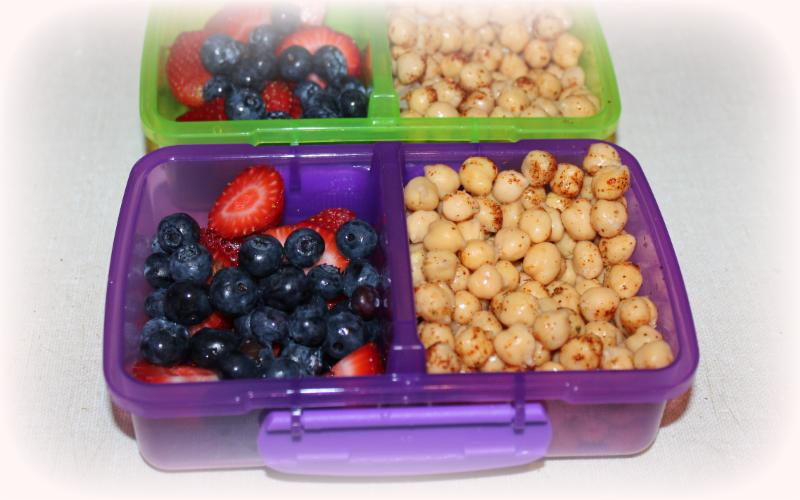
  • Roasted chickpeas
  • Whole fruit
  • Healthy leftovers, like soup in a thermos.  

And of course, the sandwich.  Sandwiches stick around because they are as awesome as you want to make them. Servings of bread are definitely acceptable in moderation (1 slice of bread is generally considered 1 of your 3-4 servings of processed food) so what about adding sandwiches to the lunch plan once a week but lessen the impact and search out sprouted breads or products made with sprouted grains.  The grains used are not nearly as processed and the breads tend to have more macronutrients.  Remember most breads require sugar and yeast yet another good reason to limit its consumption.   I recommend Silver Hills brand which can found a different stores around Sudbury including Costco. Food for Life also has sprouted breads.   

As parents we need to remember the foods we pack in our children's lunches can have a beneficial impact or a negative impact on their school day. Processed packaged foods, even the ones marketed as natural, healthy or sugar free, are predominantly unhealthy and can impact our children's health, ability to focus and their behaviour which can also have a ripple effect on the other students in their class.   By packing wholefoods we are giving their bodies all they need to stay healthy, alert and comfortable in their own skin.  Not to mention a lifelong impact of good nutritional values they can take on into adulthood.  
Dana Clark, CNHP, CHN, CHC owner of From the Roots Holistic

Friday, July 31, 2015

You can't out train a bad diet!

 We've all heard this saying but what does it really mean?  You have been hitting the gym, working hard, pushing your body to the limits, yet still not reaching your goals.  Why?

Physical activity definitely is very important to a healthy lifestyle.  But it is only one piece of the puzzle.  Being physically active promotes proper circulation, cardiovascular health, proper motor function, bone development, better sleep, healthier state of mind, improved digestion and much more.  Sounds great right?  BUT...Physical activity also needs an important synergistic component in order for you to attain all the health benefits that come with it and then some.

We all know what that component is, but do we know how important it truly is for reaching our goals?  Quality nutrition contributes to 80% of our overall picture of health and wellness.   80% is a huge number yet even seasoned professional athletes are guilty of ignoring this connection as well as falling for and/or supporting the use of unnecessary sport supplements, drinks and processed proteins.   Continuing to eat the wrong foods can cause weight gain (including inability to lose weight or keep it off), inflammation (one of the leading causes to most chronic diseases such as heart disease, cancer and autoimmune diseases), digestive issues, hormonal imbalances, mental health issues, decreased immune function even while keeping an active workout schedule.   What can eating the right foods do?   It can prevent, reduce and even reverse the effects of those conditions, it improves the way our body functions especially how it functions during physical activity.  It also impacts your endurance, your ability to build muscle and to burn fat.   Healthy nutritious eating impacts your body in very intricate ways. In fact, food has been used medicinally for thousands of years.  Yet it is the hardest concept for people to get on board with and continuously overlooked.   

So the big question, where do I start? Here are 5 points to help get you started:
  • 90% of what you drink should be water.
  • Drop the sugar
  • Don't over eat. Avoid eating more than your Estimated Energy Requirements. To find out what your EER is see a nutritionist, many apps under calculate and this can lead to malnutrition and damage to metabolism.
  • Read labels.
  • Don't use bad food choices as rewards or to make you feel better, only consume them during special events such as seasonal holidays, birthdays (preferably yours only), anniversaries and be sure to only have one small serving.

It is important to include healthy eating in your training program and to get your information from reliable sources. There are a lot of fad diets and 'easy fixes' out there but how you eat is a lifestyle that should be beneficial to your unique needs.  My best advice when seeking help, always look for proper credentials when reading articles or seeking professional advice, be sure the person has a background in nutrition and the information they are sharing is legit.

Dana Clark, CNHP, CHN, CHC owner of From the Roots Holistic

Friday, July 24, 2015

Lesson learned: Revisiting foods that make you go blah!

I am not a fan of radishes, I dont hate them just not a fan!  However just today I revisited radishes and found a way to enjoy them.  We have half a share with My Vegi Box and our lovely local farming family has been sending us radishes and I have been putting them aside because it’s not a vegetable I particularly enjoy.   In spite of this after another bundle of very lovely radishes was given to us I decided I could not let all that hard work go to waste.   I grabbed the  spring salad mix, the sprouts, the green onions (all from our share) and the radishes and made a toss salad and topped it with my own homemade coconut Thai curry sauce.   I was waiting for that overly bitter taste but instead the taste blended in with the creamy coconut and curry and even complimented the flavour.   I am thrilled to say I can now enjoy radishes and will continue to experiment with them.   Sometimes when we dislike a food especially a healthy one like radishes it’s worth thinking about the work our farmers put into growing them, appreciating the health benefit and getting creative to make it acceptable to our pallet.   Don’t give up on those healthy foods that you can’t tolerate just try and get creative before tossing them to the compost! 


Dana Clark, CNHP, CHN, CHC owner of From the Roots Holistic